“Every Second Matters:” Inside Canmore’s Emergency Department Transformation
There are moments in healthcare that define everything. A patient walks through the doors without warning, without a plan, and often without time to prepare. In those moments, everything depends on what surrounds them. The space, the equipment, the people, and the systems all come together to determine what happens next.
At Canmore Hospital Foundation, donor support has played a key role in improving those moments inside Canmore’s Emergency Department. Today, what exists is a transformed space and a fundamentally different environment for care.
According to interim Co-Site Manager and Emergency Charge Nurse Brett Oud, the difference is significant.
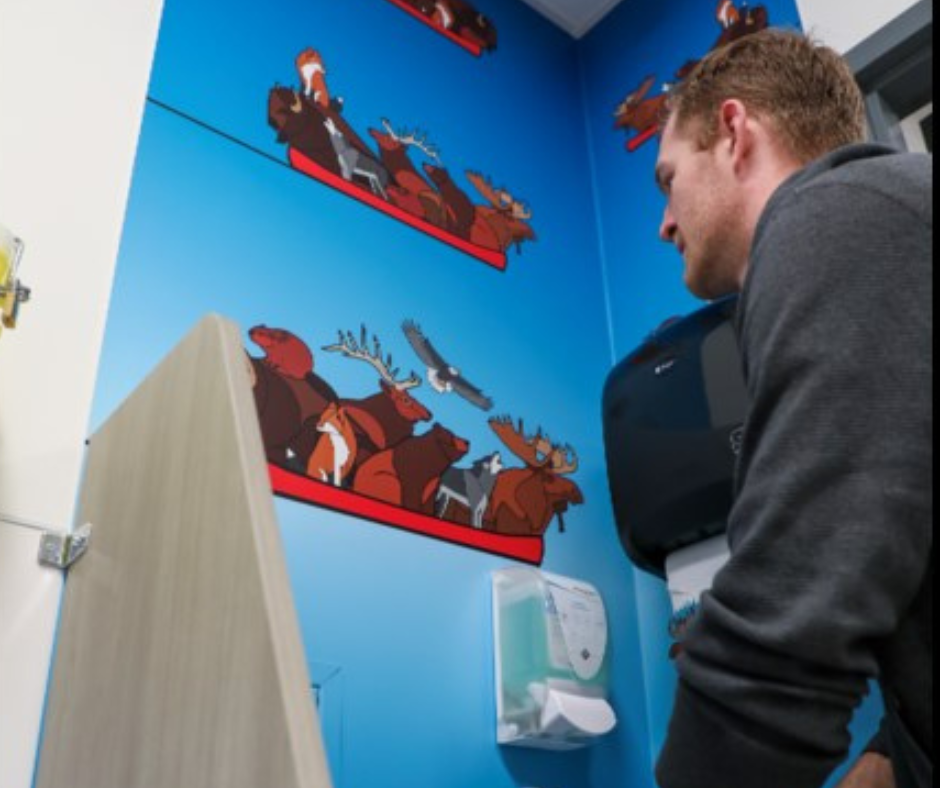
Before the renovation, the department was working hard, but the space simply wasn’t designed for the realities of healthcare today. Infrastructure was outdated, workflows were inefficient, and privacy was limited. Even something as basic as triage placed patients in a vulnerable position.
“You used to come in and sit on a stool right by the main door, where everyone could hear you,” Oud explains. “Now, you’re in a private room, away from the noise and the crowd. That alone changes how people experience care.”
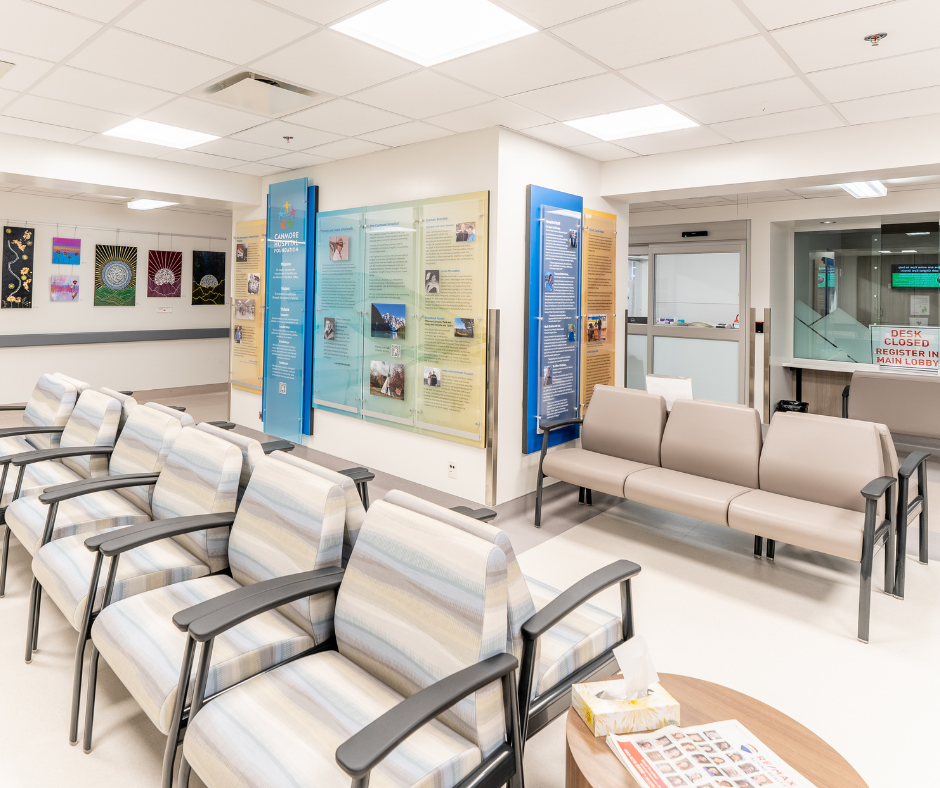
Today, the department has been elevated to support both patients and staff in more meaningful ways. Private triage rooms, expanded care spaces, and centralized monitoring systems have all contributed to a safer, more optimized environment. These upgrades are not purely aesthetic. They directly shape how care is delivered in real time.
“You can be managing multiple patients and still monitor the ones you’re worried about,” says Oud. “That’s a huge safety improvement, especially during nights or when staffing is limited.”
One of the more significant changes has been to the trauma room. While it was not originally included as a priority in the renovation, additional donor support enabled the expansion of the space beyond the original plan.
“The Foundation was instrumental in that,” Oud says. "We've created more floor space. A lot of people have been involved in trauma, but that area around that stretcher is so important for five to seven to ten people to be able to get in there and work on a patient doing various tasks."
These improvements are happening at a time when demand is increasing. Patient volumes continue to rise, and case complexity is growing. Oud notes that the department is now regularly seeing more serious conditions, from major trauma to complex cardiac cases.
“We’re seeing sicker patients more often,” he says. “It’s not just volume. It’s the level of care that’s required when they arrive.”
In Canmore, that pressure is amplified by the community's nature. While the permanent population sits around 17,000, the number of people in town can increase dramatically during peak tourism seasons. Many of those individuals are unfamiliar with the local healthcare system, and when something goes wrong, they turn to the Emergency Department.
“When people don’t know where to go, they come here,” Oud says. “We become that point of entry, whether it’s something minor or something life-threatening.”
What becomes clear in conversations with staff is that donor funding has an impact that extends beyond large, visible upgrades.
It is also found in the accumulation of smaller, practical improvements that make a real difference day to day. Equipment is organized and accessible. Spaces have been designed for real workflows. Monitoring systems allow staff to respond faster and more effectively.
Even the waiting room has become safer. With updated security and camera systems, staff can monitor patients more closely, enabling them to respond to critical situations earlier than before.
“We’ve seen cases where someone collapses in the waiting room and we’re able to respond immediately because we can see it happening,” Oud says. “That’s the kind of difference people don’t always think about, but it matters.”
The transformation has also had a noticeable effect on staff. In a rural healthcare setting, where recruitment and retention can be challenging, the quality of the work environment is particularly important.
“It used to feel like a dungeon,” Oud says. “Now it’s a place people want to work.”
That shift helped the hospital attract and retain skilled healthcare professionals, while also supporting better training and development opportunities. Through donor-funded initiatives, staff can access additional education and hands-on training, ensuring they are prepared for the wide range of situations they encounter.
At its core, the Emergency Department serves as more than just a place for treatment. It is a point of connection for the community. It is where people turn when they are uncertain, vulnerable, or in crisis.
“We’re there for everything,” Oud says. "We're here to guide people no matter how little their problem is or how emergent it is."
Thanks to donor support, the team is better equipped than ever to meet that responsibility. The transformation isn't abstract. It is something patients feel, something staff rely on, and something the community benefits from every day.
In the moments that matter most, that support makes all the difference.